

NOMURA JIMUSHO, INC.
| Booth No. | 1-369 |
|---|
|
Transforming Food Quality Assessment with AI, Sensing, Predictive Analytics and Advanced Digital Evaluation Technologies
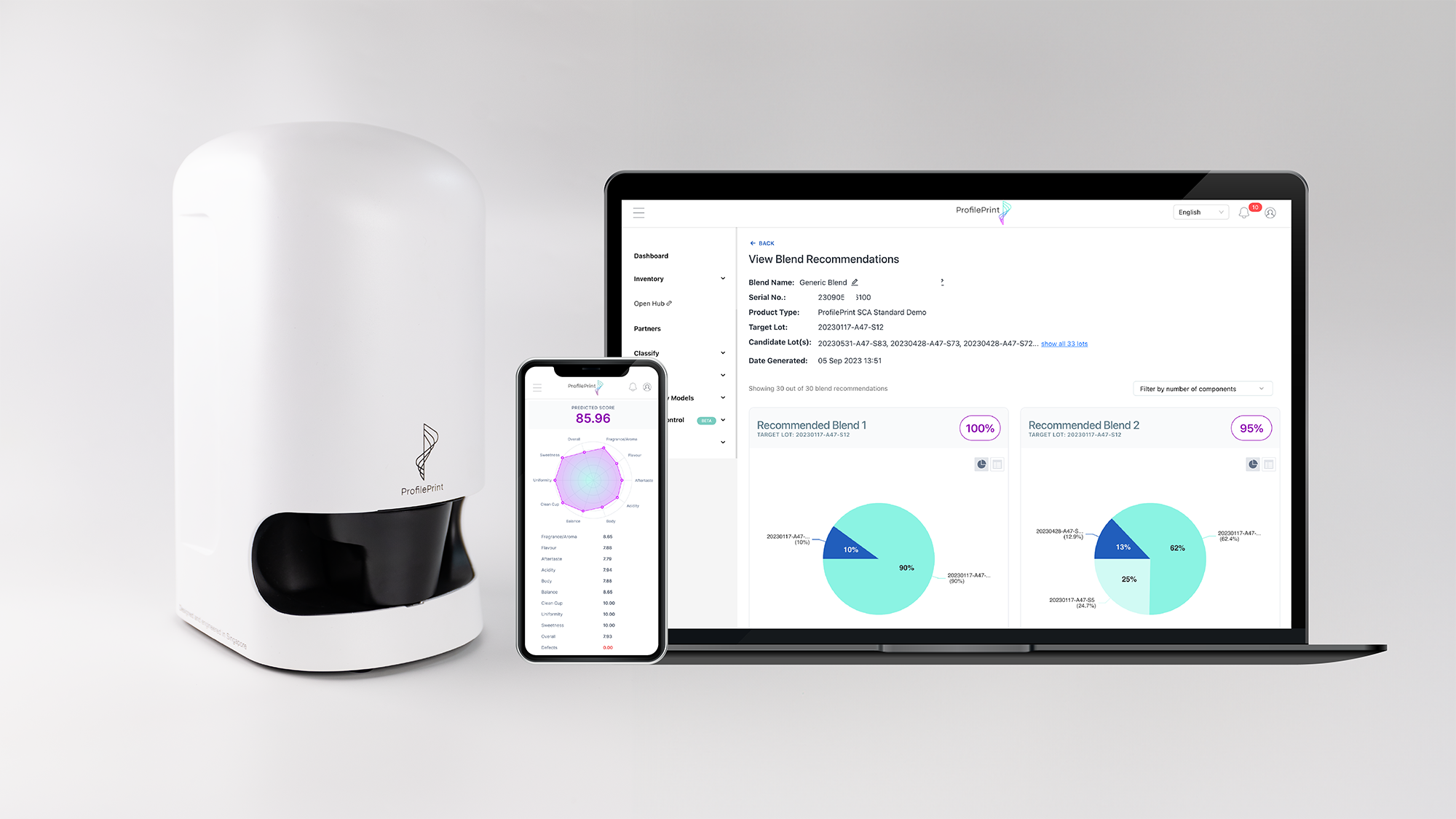
Explore ProfilePrint for AI-based ingredient assessment, MUI E-Nose for aroma and odor analysis, HunterLab color measurement solutions, and Osaka Gas AI system for estimating components using NIR sensors. Discover practical applications that digitalize sensory evaluation, improve quality consistency, accelerate quality control, strengthen anomaly detection, support procurement decisions, enhance manufacturing productivity, and enable data-driven quality management across diverse food industry operations and production environments.
|
| Product / Service |
ProfilePrin HunterLab MUI Robotics AI system for estimating components using NIR sensors |
|---|---|
| URL | https://nomjim.co.jp/en/ |
Presentaion
| Date | 11:00 11:05~ | Location | PF |
|---|---|---|---|
| Title | Optimization of taste and aroma evaluation achieved through AI × analytical instruments | ||
| Detail | Discover quality assessment solutions powered by ProfilePrint (Spectroscopy × AI) and MUI (Odor Sensor × AI). This presentation explains how AI-driven ingredient quality prediction and quantitative aroma and odor evaluation can improve quality control, support anomaly detection, and digitalize sensory evaluation. Through practical examples from the food industry, attendees will learn how these technologies enhance operational efficiency, strengthen decision-making, improve consistency, and support data-driven quality management across food manufacturing and product development processes. | ||
| Date | 13:00 13:05~ | Location | PG |
|---|---|---|---|
| Title | Optimization of taste and aroma evaluation achieved through AI × analytical instruments | ||
| Detail | Discover quality assessment solutions powered by ProfilePrint (Spectroscopy × AI) and MUI (Odor Sensor × AI). This presentation explains how AI-driven ingredient quality prediction and quantitative aroma and odor evaluation can improve quality control, support anomaly detection, and digitalize sensory evaluation. Through practical examples from the food industry, attendees will learn how these technologies enhance operational efficiency, strengthen decision-making, improve consistency, and support data-driven quality management across food manufacturing and product development processes. | ||